
Indian stock markets extended their gains for a third consecutive day, with the Sensex climbing 753 points and the Nifty closing above 24,550, driven by a drop in crude oil prices and optimism surrounding potential peace talks between Iran and the US.
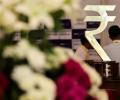
The Indian rupee gained 2 paise to settle at 93.33 against the US dollar, driven by positive sentiment in domestic equity markets and renewed hopes for US-Iran talks, despite rising WPI and CPI inflation.

Early data from the World Cup indicates that sportswear giant Adidas is currently gaining a significant advantage over rival Nike in brand visibility and sales. Adidas, an official sponsor, is seeing a substantial surge in apparel spending and foot traffic, particularly driven by jersey sales. While Nike's business is also growing, it is being outpaced by Adidas, which appears to have a more resonant product offering. Nike, facing declining market share and intense competition, is relying on the World Cup for a boost, though its footwear presence remains strong.
Indian equity benchmark indices Sensex and Nifty rallied in early trade, driven by reports of a second round of talks between the US and Iran, which are fostering hopes for a resolution to the West Asia conflict, coupled with Brent crude oil prices trading below the USD 100 per barrel mark.

Indian benchmark stock indices, Sensex and Nifty, extended their winning streak for a third consecutive day, driven by positive global market trends and a significant softening of crude oil prices following a peace deal between the US and Iran.
Indian benchmark stock indices Sensex and Nifty rebounded nearly 1 per cent, snapping a three-day decline, driven by rallies in Reliance Industries and Sun Pharma, alongside positive global market trends and easing geopolitical tensions.
Indian benchmark indices Sensex and Nifty rallied in early trade, driven by a positive trend in global markets, cooling crude oil prices following a US-Iran peace deal, and fresh foreign fund inflows.
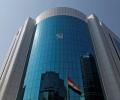
Intellius Recode Ltd has filed preliminary papers with SEBI for an IPO comprising a fresh issue of equity shares and an offer for sale by existing shareholders. The funds will be used to develop digital workers and for general corporate purposes.

IT firm Tech Mahindra announced a 16 per cent increase in its consolidated net profit to Rs 1,353.8 crore for the January-March quarter of FY26, with revenue from operations rising 12.6 per cent to Rs 15,076.1 crore, driven by an accelerated transition to an AI-led organisation and record deal wins.

Indian benchmark equity indices, Sensex and Nifty, snapped a three-day rally, tumbling nearly 1 per cent due to heavy selling in IT stocks, a jump in crude oil prices, foreign fund outflows, and fears of prolonged instability in West Asia.

Indian benchmark indices, Sensex and Nifty, extended their rally for the fourth consecutive day, driven by a significant drop in crude oil prices and strong performance from IT firms, despite mixed global cues.
Indian benchmark equity indices Sensex and Nifty closed higher, recovering from previous losses, driven by a global market rebound, a pause in Israel-Iran hostilities, and a rally in bank stocks.
Indian benchmark indices Sensex and Nifty rebounded in early trade, tracking a recovery in global equity markets and an easing of hostilities between Israel and Iran, after a sharp fall in the previous session.

Indian benchmark indices Sensex and Nifty recovered early losses to trade higher, supported by encouraging developments on the geopolitical front, specifically the US-Iran peace deal, and easing crude oil prices.

Shareholder payouts by India Inc, including dividends and buybacks, increased by 2.2 per cent year-on-year in FY26 to $5.06 trillion, but this growth lagged the 18.8 per cent rise in reported net profit for the third consecutive year, leading to the lowest dividend payout ratio in 12 years.

Indian benchmark indices Sensex and Nifty experienced a significant slump in early trade, mirroring a sharp decline in global equities and a fresh spike in crude oil prices, exacerbated by simmering tensions in West Asia and a global unwinding of the AI-led rally. Track how sensex, Nifty fared on June 8.
Indian benchmark indices, Sensex and Nifty, extended their winning streak for a fourth consecutive session, driven by a significant drop in crude oil prices following a peace deal between the US and Iran. This development has fuelled investor confidence and buying activity across the market.
Indian stock market benchmark indices Sensex and Nifty rebounded in early trade, driven by a decline in crude oil prices, supportive global cues, fresh foreign fund inflows, and buying in blue-chips like Reliance Industries and HDFC Bank. Track Sensex, Nifty movement on June 22, 2026.

Hyundai Motor India Ltd reported a 22.22 per cent decline in consolidated profit after tax to Rs 1,255.63 crore in the March quarter, primarily due to higher expenses, despite an increase in total revenue from operations.

Indian stock markets extended their gains for a second consecutive session, with the Sensex closing 736 points higher, driven by a global equity rally and a significant drop in crude oil prices following the finalisation of a peace deal between the US and Iran to end their 107-day conflict and reopen the Strait of Hormuz.

Indian benchmark indices Sensex and Nifty surged significantly in early trade, tracking a global rally fueled by US President Donald Trump's declaration of an end to the war with Iran and a subsequent drop in crude oil prices.

Indian companies are increasingly turning to share buybacks as a preferred payout strategy, driven by recent tax framework changes that make them more tax-efficient for non-promoter shareholders and a fall in stock prices.

Analysts predict that inflation data, the US Federal Reserve's interest rate decision, and crude oil price trends will be the primary factors influencing the movement of Indian stock markets. Geopolitical developments, particularly the US-Iran deal, and foreign investor activity will also play a crucial role.
Indian benchmark indices Sensex and Nifty surged significantly in early trade, mirroring a global rally and a sharp decline in crude oil prices following the finalisation of a peace deal between the US and Iran to end their 107-day conflict and reopen the Strait of Hormuz.

Indian stock market benchmark indices, Sensex and Nifty, experienced declines in early trade due to escalating tensions between the US and Iran, which led to a surge in crude oil prices and weak global equity trends.
Indian benchmark stock indices, Sensex and Nifty, recorded their fourth consecutive day of declines, driven by selling in FMCG, financial, and auto sectors. The downturn is attributed to fresh tensions in the Middle East, uncertainty surrounding the US-Iran 60-day ceasefire, and elevated crude oil prices.

Leading stock exchange BSE Ltd announced a 61 per cent increase in consolidated net profit to Rs 795.47 crore for the March quarter, driven by higher income, and reported its highest-ever performance in its 150-year history for the full financial year 2025-26.

Beijing clearly intends to extend the China-Myanmar Economic Corridor to Bangladesh as part of its larger Maritime Belt and Road Initiative to boost its Indian Ocean presence.

Indian startup funding plummeted by 43 per cent year-on-year to $7.81 billion between March 1 and June 15, 2026, largely due to the West Asia conflict, which has amplified global risk perceptions, tightened liquidity, and led to rupee depreciation, making global investors cautious.

Listed capital market companies in India delivered strong fourth-quarter earnings growth, with a universe of 12 firms posting 30 per cent year-on-year revenue growth and 19 per cent earnings growth in Q4FY26, despite mark-to-market (MTM) losses impacting headline profitability for some.

Indian benchmark indices Sensex and Nifty climbed in early trade, driven by buying in blue-chip stocks like Reliance Industries and ICICI Bank, alongside a notable cooling in crude oil prices.

Emirates NBD Bank has successfully acquired a 60 per cent majority stake in RBL Bank through a primary capital infusion of approximately USD 2.75 billion, marking the largest foreign direct investment in India's banking sector.

Indian equities trading activity saw a moderation in FY26, with cash market turnover declining and derivatives growth remaining subdued due to regulatory tightening and weak market performance. Further impacts are expected from new RBI norms and a hike in Securities Transaction Tax (STT).

Indian equity benchmark indices Sensex and Nifty declined in early trade, driven by persistent concerns over the unresolved US-Iran situation and continued outflows from foreign institutional investors.
Indian benchmark indices Sensex and Nifty experienced a significant slump, with the Sensex tumbling 719.08 points, driven by escalating West Asian tensions, a sharp rise in crude oil prices, and a global sell-off in technology stocks.
Indian benchmark indices Sensex and Nifty rebounded in early trade, driven by strong buying in blue-chip stocks and positive cues from Asian markets, following a significant selloff in the previous session.

IT services giant Wipro's board has given the green light to a massive Rs 15,000 crore share repurchase programme, aiming to buy back over 5 per cent of its equity, or up to 60 crore shares, from shareholders at Rs 250 per share, reflecting an 18 per cent premium.

Indian benchmark indices Sensex and Nifty experienced a decline in early trade, mirroring weak global market trends and persistent outflows from foreign institutional investors (FIIs), exacerbated by ongoing geopolitical uncertainties in West Asia.

Hyderabad-based SETL, a precision engineering company, has acquired a 51% majority stake in GScale Energy Private Limited, an AI Datacenter Engineering infrastructure specialist. This strategic move involves an initial investment of Rs 190 crore, with a total commitment of Rs 500 crore, marking SETL's expansion into the rapidly growing AI Datacenter sector and leveraging its expertise from pharmaceutical and chemical industries.
Indian equity benchmark indices Sensex and Nifty experienced a significant tumble in early trade, with the Sensex tanking nearly 700 points, driven by uncertainty surrounding US-Iran negotiations, a fresh spike in crude oil prices, and persistent foreign fund outflows.
